Non-Metabolic Lamintis

This article continues for members only.
To gain full access to this feature and the whole The Carriage Commentator website, please sign up
Laminitis – when it is not related to grass, obesity or Cushing’s Disease!
In ambulatory equine practice, at least 90% of the patients that we see with laminitis are suffering because of insulin dysregulation, which normally follows from Equine Metabolic Syndrome (EMS) or Pars Pituitary Intermediary Dysfunction (PPID/Cushing’s Disease). Both of these conditions involve the horse becoming resistant to the effects of insulin, so blood sugar rises. More insulin is released by the pancreas and, in high enough amounts, this insulin changes the blood flow to the laminae. The laminae need lots of blood and when they don’t have enough, they weaken and the pedal bone can separate from the hoof wall (‘founder’). We considered this topic on The Carriage Commentator in 2022.
However, there are other causes of laminitis, and these will be the focus of this article. These cases tend to be quite dramatic by nature, and the pathophysiology (what’s going wrong on a cellular level) can be quite different. Let’s take them one at a time:
- Sepsis (endotoxaemia)
- Supporting limb overload
- Concussion
- Stress
- Toxic plants
- Poor foot care
- Sepsis (endotoxaemia)
One of the risks of being very unwell, as an equine, is developing a secondary laminitis. As vets, we are aware of this risk and try to mitigate it, but sometimes the challenge is overwhelming. A variety of diseases can be the initiating factor, including enteritis, colitis, severe colic, retention of the placenta post-foaling and serious bacterial infections. All of these conditions can cause a severe systemic inflammatory response (SIRS) where toxins are released into the bloodstream and damage the laminae.
Grain overload also falls into this category. We see this uncommonly nowadays, possibly because less grain-based feeds are fed to pleasure horses than perhaps used to be the case, but the classic call of ‘pony broke into the feed room last night’ does still arrive. The rapid consumption of a large volume of high-starch feed causes massive bacterial death in the hindgut releasing toxins (remember, the gut flora thrive on fibre and are less well-suited to the processing of starch).
The toxins in these cases are endotoxins, which means they are part of the bacterial cell wall and are only released when the bacteria die. For the biologists amongst you, they are lipopolysaccharides, and they cause massive cytokine release (inflammatory cells) which starts off a cascade of events which results in damage to the delicate but essential laminae.
How to avoid this type of laminitis? Mares should pass their placentas within 4 hours of foaling – if not, it’s an emergency for a vet. True diarrhoea in adult horses which does not quickly resolve should also be treated as an emergency – once looking sickly, they go downhill very quickly. Prompt treatment of serious bacterial infections is helpful. However, and very sadly, the truth is that it is not always possible to prevent sepsis and therefore laminitis. All septic cases under hospital veterinary care will have preventative measures considered, such as the application of soft-soled boots and anti-inflammatory medications, but, with the best will in the world, it does still happen.
- Supporting limb laminitis
This is a mechanical form of laminitis that occurs when a horse bears excessive weight on one leg for a prolonged period, usually because the opposite leg is severely injured or unusable. This could be because of a fracture, a severe tendon/ligament injury, a nasty wound, a prolonged foot abscess or even (ironically) laminitis. It is well established that this type of laminitis is a risk when treating a broken bone, for example, and sometimes horses are even placed in slings to take some of their body weight, albeit this can lead to other issues, such as rubs, despite careful management.
The excessive weight on one foot causes inflammation of the laminae, starting off a vicious cycle of pain, inflammation, damage to the laminae and then loss of function of the laminae. Whilst some species manage really well on three legs (picture the farm collie which can still outrun a car, or the cat who continues to hunt with intent!) horses do struggle, because of their overall weight. The resultant laminitis is often severe and can result in euthanasia becoming necessary for welfare reasons. This is less of a risk in ponies and donkeys which are usually lighter in kilogram terms.
- Concussion
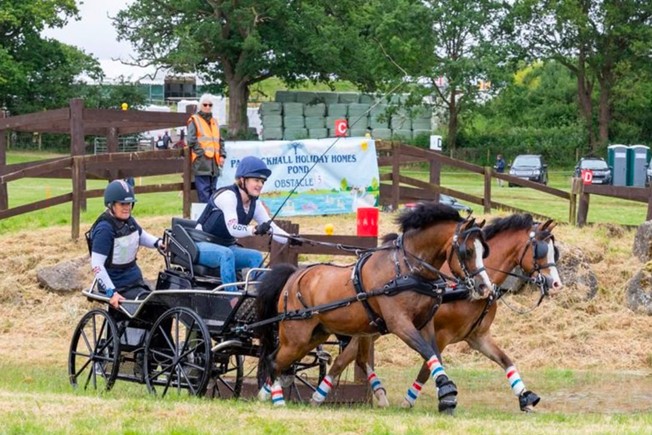
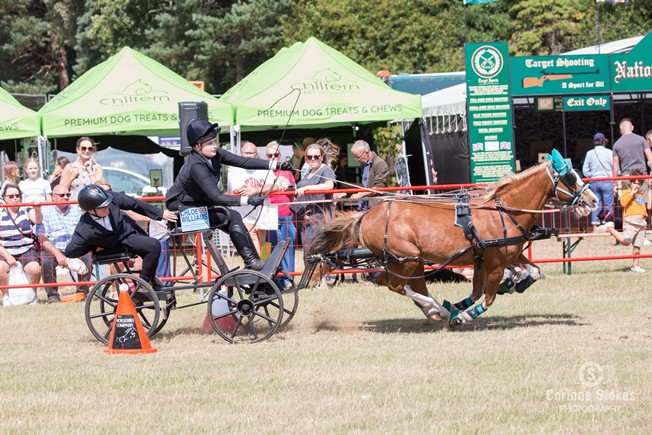
Occasionally, a patient presents with apparent laminitis which has come on quite soon after an episode of moving fast on hard ground. I’ve seen this in a couple of driving horses, possibly because it’s easier to trot fast for a longer distance on a hard road as a driver than a rider. However, I’ve also seen it in riding horses, especially not long after a foot trim or shoeing, as well as in horses which have escaped from their fields and galloped around on hard ground before being retrieved. Remember that laminitis just means ‘inflammation of the laminae’ and this excessive pounding can bring it on. Thankfully, concussive laminitis usually results in a milder, treatable form of the disease.
- Stress
In my experience, true ‘stress laminitis’ is uncommon, but it does exist. Severe stress (which could be psychological) results in the release of hormones, including cortisol, which prevent insulin from working as it should. Some of the patients which fall into this category will have other risk factors, such as EMS or PPID/Cushing’s.
- Toxic plants
Thankfully, this is rare in the UK, but in some parts of the world, most notably North America, ingestion of plants can cause severe, possibly fatal laminitis.
- Poor hoof care
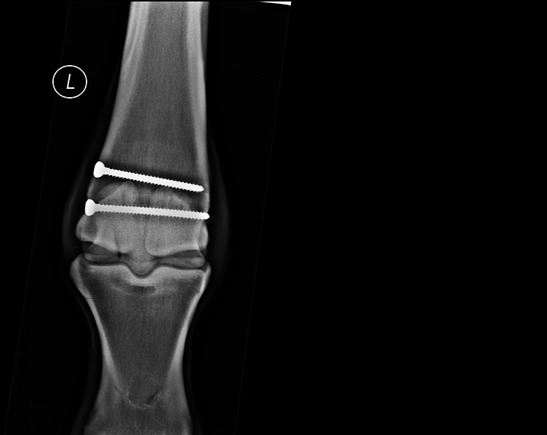
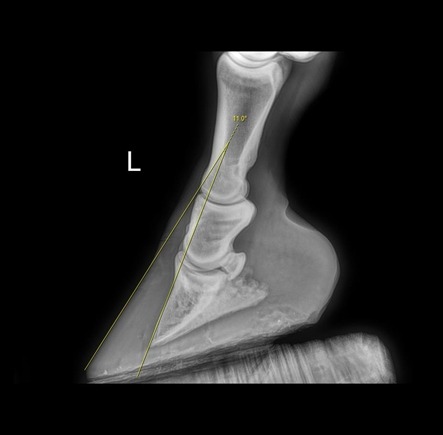
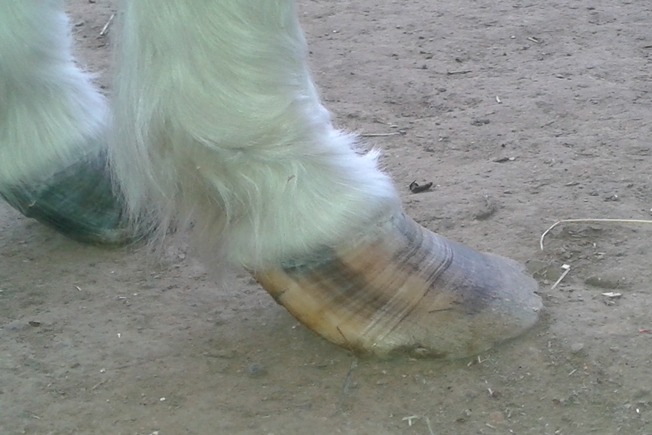
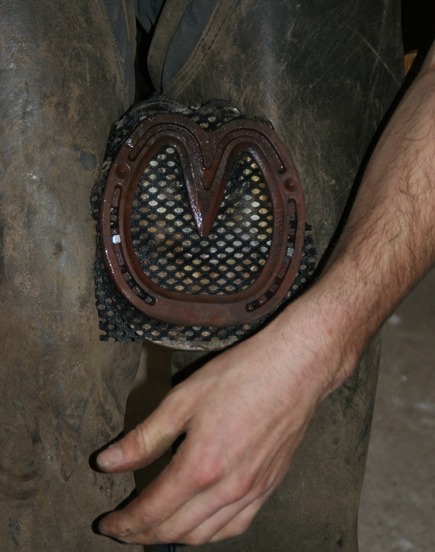
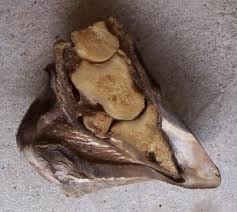
Extreme neglect of the feet, which leads to the toe becoming very long and slipper-like, puts excessive stress on the laminae (picture pulling a really long fingernail away from its bed), and some degree of laminitis is inevitable. Sometimes, careful farriery can rectify the situation, but this will depend on how severe the damage is. X-rays will be invaluable in assessing this. Most of the cases that I see like this are presented to me by a welfare organisation, rather than by an owner.
Moral of the story? Twofold:
- Keep an open mind with a diagnosis of laminitis: it’s not all about fat ponies eating spring grass!
- But do be cognisant that most cases DO have underlying metabolic disease, ie EMS and/or PPID/Cushing’s, and this is where your primary attention should be when trying to prevent cases arising.